
By Jennifer Fairfield, owner Garden Mill
It’s May, and gardening season is finally getting into full swing.
I don’t know why it has seemed to take so long to get here – it’s not like we had much of a winter or anything – but it sure has felt like May took a long time showing up. Of course, now that it’s here, I feel like I need more time. Guess I’m going to be out in my gardens early in the morning and late at night to get caught up.
If you’re not sure where to start in your yard and gardens, now that May has finally arrived, here are some tips:
In the Vegetable Garden:
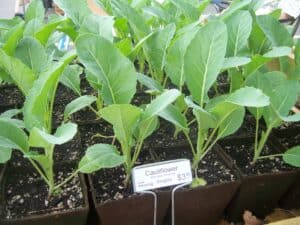
Early in the month (now), get seedlings of parsley, thyme, sage, kale, broccoli, cabbage, cauliflower, and head lettuce, as well as potatoes, leeks, and onion sets planted. Also plant seeds for leaf lettuces, arugula, spinach, carrots, radishes, and beets.
Mid-month, plant rosemary, cilantro, dill, and oregano seedlings along with bean, melon, corn, cucumber, and squash seeds. You can also make second (or third) sowings of some of the seeds you planted earlier to get a continuous harvest.
Seed Planting
Once the soil has warmed up to above 60° and nighttime temperatures are consistently above 50°, it’s safe to plant tomato, pepper, eggplant, squash, and cucumber seedlings. Around here, that typically means about the time of Memorial Day weekend.
If we get an early warm-up, you might be able to get some of those in sooner – just be sure to have something available to cover them with if we get a cold snap, as low temps can hurt these tender plants. Lightweight frost blankets are best – they keep the warmth in without being so heavy that you risk harming the plants.
As soon as you put tomato plants in, and once your cucumber and squash seeds get growing, start treating them with fungicide. These plants are generally very susceptible to disease, so starting a fungicide treatment early, and consistently treating them throughout the growing season will help to ensure that you get to enjoy a long harvest. You can even treat the soil with certain fungicides before you plant and throughout the season. The fungicide will be taken up by the plant roots, giving the plants a level of systemic protection. I have had good success with Revitalize from Bonide for this purpose. It also works well as a spray-on application.
In the Flower Garden:
Get weeds out of your garden beds before they go to seed.
I did not get to some hairy bittercress last spring until it had already gone to seed, and I paid for it this spring by having to do a whole lot more work. Fortunately, it’s a pretty easy weed to pull, as the roots are shallow, so I was able to get it all pulled before it put out more seeds for next year.
I also spent a great deal of time pulling purple dead nettle, stinging nettle, and garlic mustard last month. Of course, there are more weeds coming up all the time, so that job will never be done, but I find it to be a great way to spend a warm spring day when I want to avoid doing anything else.
Plant perennials this month and be sure to keep them well watered while they get their roots established and throughout the summer. Late-spring and summer-blooming perennials can be divided early this month, but wait until fall to divide anything that is in bloom now. Plants that have outgrown their space or are getting bare spots in the centers should be dug up, divided, and replanted.
If you’re eager to plant annuals outside, resist the urge for just a little bit longer. Remember, all the annuals available now have been living in heated green houses. Putting them in the ground right now would only shock them and slow their growth. Like our warm-weather veggies, for annual flowers, it’s better to wait until the soil has warmed up to at least 60° and nighttime temperatures are consistently above 50°. Planting of annual seeds should wait until the danger of frost has passed, which is usually around May 15.
Patio pots and hanging baskets can be put out now, but you will want to bring them inside at night (an attached garage is fine), if the temps are dipping below about 40°. Keep an eye on watering your container plants – if it’s sunny and/or windy, they will dry out more quickly than plants in the ground.
Trees & Shrubs:
Now is a good time to plant new trees and shrubs, while it’s still pretty cool and we’re getting regular rain. The most important thing you can do for your trees and shrubs is to keep them well-watered when mother nature isn’t, especially for the first couple of years after they are planted, while they get their roots established.
Once your early-blooming shrubs, such as forsythia and quince, have dropped their blossoms, you can prune them back for better growth in the future. Letting them go without regular pruning will cause them to have leaves and flowers on the ends of long, mostly leafless branches.
An annual pruning will keep them looking full and give you more blossoms.
Did you know that May is Oak Wilt Awareness Month in Michigan? The most important things to know is that you should not prune oak trees between April 15 and July 15.
If you have red oaks on your property, and you’re not familiar with Oak Wilt, it’s something you will want to learn about, because of the danger it poses to oak trees. For more information on what Oak Wilt is and how to deal with it, check out the Michigan Oak Wilt Coalition’s website.
Mulch is the second most important thing you can do for your trees and shrubs (the most important thing is watering), because it helps to keep the soil around the roots moist and helps to maintain a more consistent soil temperature.
When you are mulching trees, avoid creating mulch “volcanoes” (piling mulch up around the trunk), which can slowly kill your trees. Click here for good tips on mulching from the MSU Extension.
Birds:
If you haven’t gotten out your hummingbird and oriole feeders yet, don’t delay any longer. They’re here, and they’re hungry from their long trip north.
Keep your seed feeders full at this time as well. Our birds are busy building nests, laying eggs, and raising baby birds – all hard work that requires lots of nutrition. Yes, there are plenty of insects out there now, but providing easy access to food will get them to stick around your yard, which means lots of entertainment for you.
Just be sure to keep your feeders clean. Cleaning them regularly with a 10% bleach solution helps to reduce the chances of disease among the birds you are attracting to your yard.
It’s also time to put out bird baths, if you haven’t already, and fill them up. Again, keep them cleaned out to prevent disease.