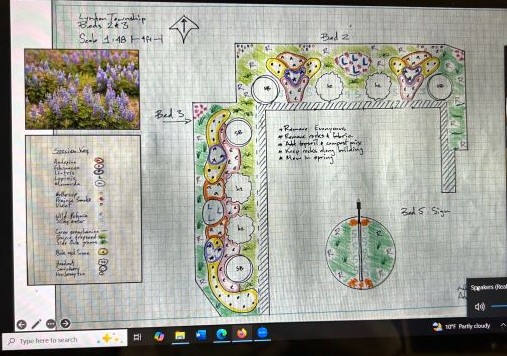

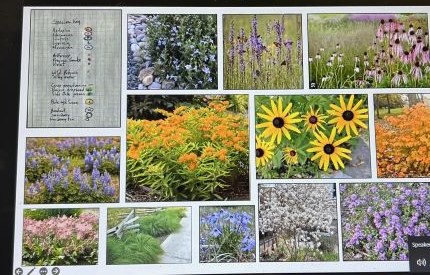
Native plantings such as lupines and butterfly milkweed, purple coneflower and Back-Eyed Susans, violets, buttercups, service berry, June berry and American hazelnut could soon beautify the flower beds surrounding Lyndon Township Hall.
Gone would be the burning bush, and its stunning red leaves.
The Lyndon Township Board learned at its meeting on Jan. 14, the bush, while beautiful, is not a native species to this area and does nothing to support local biodiversity.
This information was part of a detailed presentation by William Kirst of Adapt Community and Adapt: Community Supported Ecology regarding a project to add native plantings around the township hall that would enhance the healthy ecology of the area’s many insects, birds and forest animals.
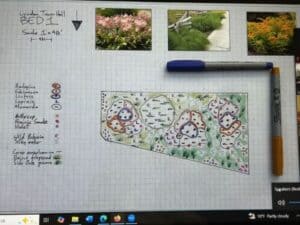
The landscaping idea germinated during a community event last May when resident Nan Godwin and Supervisor Pam Byrnes were discussing the bushes and flower beds around the township hall and under the sign out front.
Godwin got permission and applied for a grant from the Washtenaw County Conservation District to pursue the project, and the township was notified it is one of the awardees.
At this point, the amount of this award is unknown.
But, the grant money can be used for:
- Site visit for assessment and consultation
- Site design plan and maintenance plan
- Site materials, such as native plants, trees, and/or shrubs and planting aids (tree shelters, etc.)
- Site installation assistance, including use of the WCCD’s tool and equipment lending library and assistance with volunteer outreach.
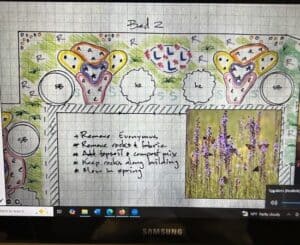
So, Kirst showed the board possible design plans for the five areas around the township hall. They can be done in stages or all at once – depending on the amount of the grant award. In addition, the township board may add additional funds.
Stone and landscape fabric in the beds would need to be removed and topsoil added to begin the project.
Kirst explained that by enhancing the grounds with native species, the area animals, insects and birds will thrive and the grounds will become a flagship natural biodiverse area for the township and perhaps serve as an inspiration for local residents to follow suit with native plantings on their properties.
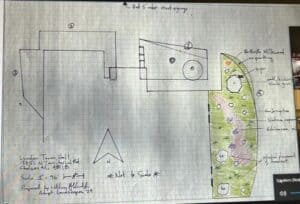
He talked about prep work for the beds, the plantings and maintenance of the beds and suggested that perhaps the project could be a township volunteer-driven project.
How many beds will be replaced during the initial project phase will be dependent on the funding available.
The plants and shrubs chosen by Kirst are also deer and rabbit resistant, many of which can be purchased through the upcoming Washtenaw County Conservation District plant sale.